
Tips for Creating a Relaxing Home Office Environment

Creating a relaxing home office environment is essential for anyone who works from home or spends long hours at a desk. A space that promotes calm and focus can boost your productivity and make your workday more enjoyable. Whether you have a dedicated room or a small corner, you can design a home office that helps you feel relaxed and efficient. Here are some practical tips to get started.
Choose the Right Location
Your home office location plays a big role in how relaxed you feel while working.
– Low traffic area: Pick a spot away from household noise and distractions.
– Natural light: Position your desk near a window to take advantage of daylight.
– Comfortable space: Ensure there’s enough room for all your work essentials without feeling cramped.
If space is limited, consider multifunctional furniture or portable desks you can easily set up and pack away.
Invest in Comfortable Furniture
Ergonomics and comfort are crucial for long hours of work.
– Ergonomic chair: Choose a chair that supports your lower back and encourages good posture.
– Adjustable desk: A desk with adjustable height can help you switch between sitting and standing.
– Monitor stand: Raise your screen to eye level to prevent neck strain.
Comfortable furniture reduces physical stress and helps maintain focus throughout the day.
Keep It Organized
Clutter can create stress and reduce your ability to concentrate.
– Storage solutions: Use shelves, drawers, and organizers to keep supplies tidy.
– Minimalist approach: Keep only what you use daily on your desk.
– Cable management: Use clips or sleeves to keep cords neat and out of the way.
An organized workspace not only looks better but also helps your mind feel clearer.
Use Calming Colors and Decor
The colors and decorations in your office can influence your mood.
– Soft, neutral tones: Light blues, greens, and earthy shades promote relaxation.
– Plants: Adding greenery can improve air quality and create a soothing atmosphere.
– Personal touches: Family photos or inspiring artwork can make the space inviting without overwhelming it.
Avoid overly bright or busy patterns that may be distracting.
Control Lighting
Proper lighting reduces eye strain and helps regulate your energy.
– Natural light: Maximize sunlight during the day but use blinds or curtains to control glare.
– Task lighting: Use adjustable desk lamps for focused light.
– Warm bulbs: Choose light bulbs with a warm color temperature to create a cozy ambiance.
Consider dimmable lighting options to adjust brightness as the day progresses.
Reduce Noise and Distractions
Noise can disrupt your concentration and add to stress.
– Noise-canceling headphones: Great for blocking out background noise.
– Soft background music: Gentle instrumentals or nature sounds can enhance focus.
– Soundproofing: Use rugs, curtains, or acoustic panels to absorb sound.
If possible, communicate with family or housemates about your work schedule for minimal interruptions.
Maintain Air Quality and Temperature
Fresh air and comfortable temperature improve your overall well-being.
– Ventilation: Open windows regularly or use fans to circulate air.
– Air purifiers: Consider a small purifier to reduce allergens.
– Temperature control: Use heaters or air conditioners as needed to stay comfortable.
A pleasant environment helps you remain alert and relaxed.
Incorporate Break Areas
Taking regular breaks is important for both productivity and relaxation.
– Comfortable seating: Add a small couch or armchair for short breaks.
– Stretch space: Leave room to stand and stretch or do light exercises.
– Hydration station: Keep water or tea nearby to stay hydrated.
Having designated areas for breaks encourages you to step away from your desk and recharge.
Set Boundaries and Routines
A relaxing office environment also depends on habits.
– Work hours: Set clear start and end times and stick to them.
– Designated work zone: Reserve your home office for work-related activities only.
– Daily rituals: Begin and end your workday with routines that help you transition smoothly.
Clear boundaries help separate work from personal life, reducing stress.
—
By following these tips, you can create a home office environment that supports relaxation and productivity. Remember, the best workspace is one tailored to your needs and preferences, so feel free to experiment and find what works best for you. A well-designed home office isn’t just about function—it’s about creating a space where you enjoy spending time and can focus on your work with ease.
Related Post
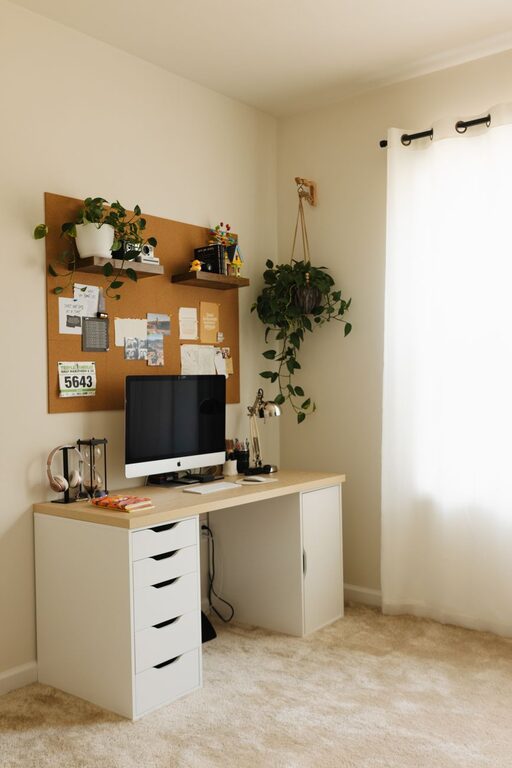
Tips for Creating a Relaxing Home Office Environment
Discover practical ways to design a calming home office that boosts productivity and reduces stress [...]
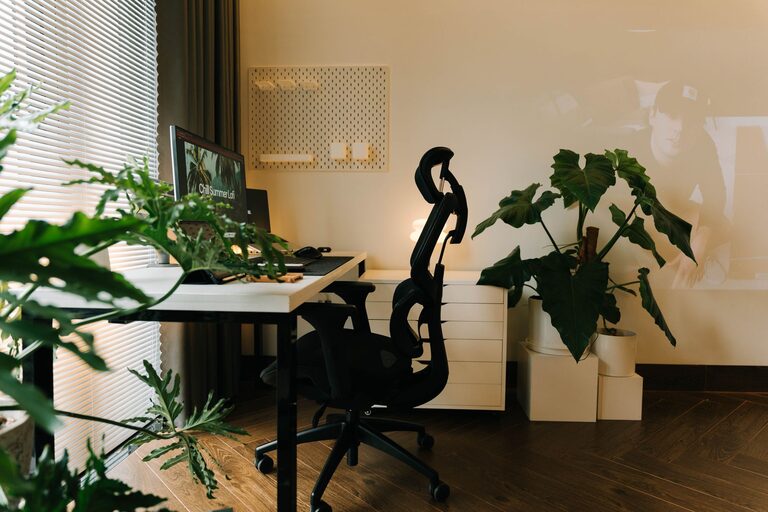
Tips for Creating a Relaxing Home Workspace to Boost Productivity
Discover simple ways to design a calming home workspace that enhances comfort and improves your [...]
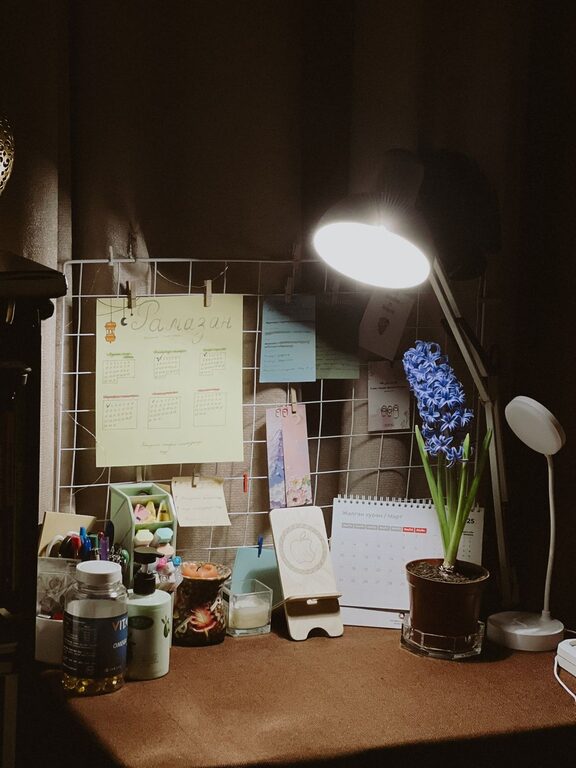
Tips for Creating a Cozy and Inviting Home Workspace
Make your home workspace comfortable and inspiring with easy tips to boost productivity and create [...]