
Tips for Creating a Relaxing Home Office Environment
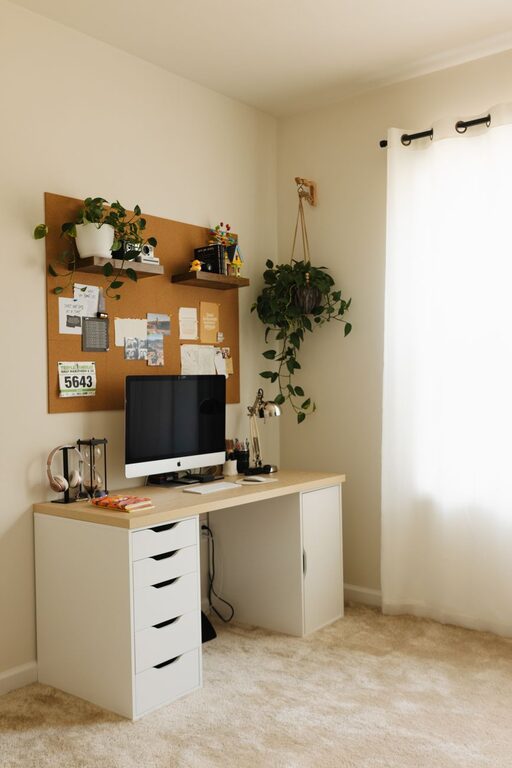
Creating a relaxing home office environment is essential for maintaining focus, reducing stress, and enjoying your work-from-home experience. A well-designed workspace can help you feel calm and organized, which ultimately makes your workday more productive and enjoyable. Whether you have a small nook or a whole room dedicated to your home office, these tips will guide you in creating a space that supports both comfort and efficiency.
Why a Relaxing Home Office Matters
Spending several hours each day working from home means that your environment plays a huge role in your mental clarity and motivation. A cluttered or uncomfortable space can lead to distractions and a lack of focus. On the other hand, a calming setting encourages creativity, concentration, and a healthy work-life balance.
Essential Elements for a Soothing Workspace
1. Choose the Right Location
Select a spot in your home that’s quiet and distraction-free. Ideally, it should have some natural light and be away from high-traffic areas. If space is limited, consider using partitions or screens to create separation and privacy.
2. Invest in Comfortable Furniture
Your chair and desk are the foundation of comfort. Look for an ergonomic chair that supports your posture and a desk at the right height. This will help prevent fatigue and discomfort during long work sessions.
3. Declutter and Organize
Keep your desk tidy and free of unnecessary items. Use organizers like trays, file holders, and drawers to keep supplies neat. A clutter-free surface reduces mental clutter and helps you stay focused.
How to Enhance Relaxation Through Design
4. Use Calming Colors
Colors influence mood. Soft, muted tones like blues, greens, and neutrals often promote calmness. You can incorporate these colors through wall paint, furniture, or accessories.
5. Add Plants
Houseplants not only add a touch of nature but also improve air quality and reduce stress. Choose low-maintenance plants like succulents, snake plants, or pothos for your workspace.
6. Control Lighting
Natural light is ideal, but if that’s limited, use adjustable lighting. A good desk lamp with warm light can reduce eye strain. Avoid harsh overhead lighting or glare on your screen.
7. Personalize with Meaningful Items
Include a few personal touches such as photos, artwork, or inspirational quotes. These items should bring joy and motivation without cluttering your space.
Boosting Productivity While Staying Relaxed
8. Establish Boundaries
Set clear work hours and let household members know your schedule. This separation helps you mentally switch into “work mode” even if your office is part of a shared space.
9. Incorporate Break Areas
If possible, have a designated spot nearby to take breaks—whether it’s a cozy chair, a meditation cushion, or just a window with a good view. Short breaks boost focus and reduce stress.
10. Keep Technology Simple and Efficient
Use only the essential devices to minimize distractions. Organize cords and cables with clips or sleeves to avoid tangled messes that can cause stress.
11. Use Noise Control Techniques
If noise is an issue, consider noise-canceling headphones, white noise machines, or soft background music. This can help drown out distractions and create a more peaceful setting.
Daily Habits to Maintain a Relaxing Office
– Start with a quick tidy-up: Spend five minutes each morning clearing your desk.
– Stay hydrated: Keep a water bottle nearby to sip throughout the day.
– Practice deep breathing: Short breathing exercises can reduce tension when you feel overwhelmed.
– Stretch regularly: Gentle stretches help relieve physical tension from sitting too long.
– Limit multitasking: Focus on one task at a time to avoid mental overload.
Final Thoughts
Designing a relaxing home office environment doesn’t require a complete overhaul or a big budget. Small, thoughtful changes in your space and routine can make a significant difference in how you feel and perform. Remember, your workspace should support your well-being and make working from home a positive experience. Start with these tips, and gradually adjust your office to fit your personal comfort and style.
By making your home office a place where relaxation and productivity coexist, you’ll find your workdays more enjoyable and fulfilling.
Related Post
Tips for Creating a Cozy and Functional Home Office Space
Discover simple yet effective ways to design a home office that combines comfort and productivity [...]

Tips for Creating a Relaxing Home Office Environment
Discover simple ways to design a calm and productive home office that helps you focus [...]

Tips for Creating a Cozy and Productive Home Workspace
Transform your home workspace into a cozy and efficient environment with simple tips that boost [...]